
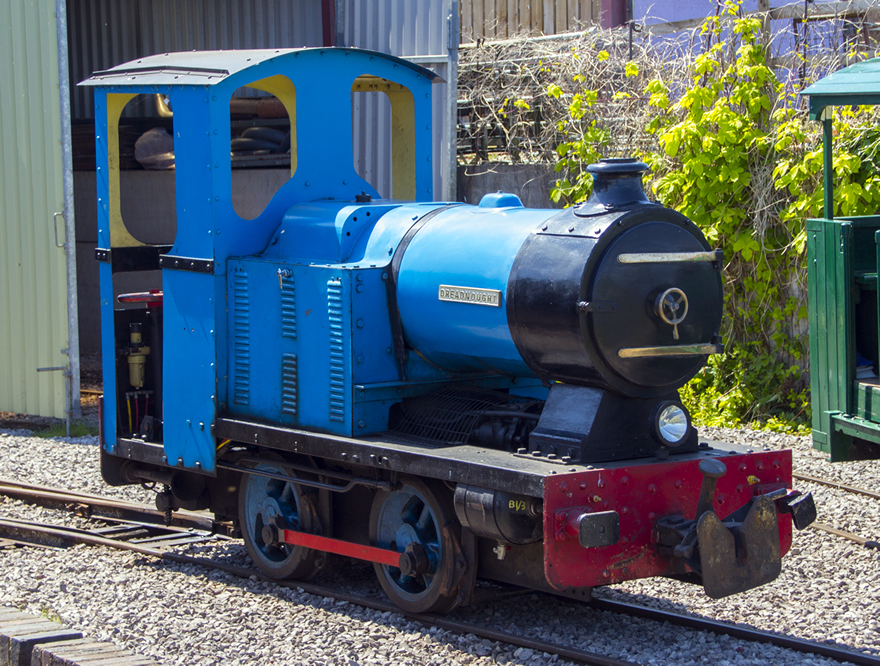
Technical Details:
| Builder: E.E. Baguley Ltd, Burton | No.: 3024 |
| Weight: 3 1/2 tons | Year: 1939 |
| Livery: Blue & Red | Horsepower: 20-23HP (Lister SR3) |
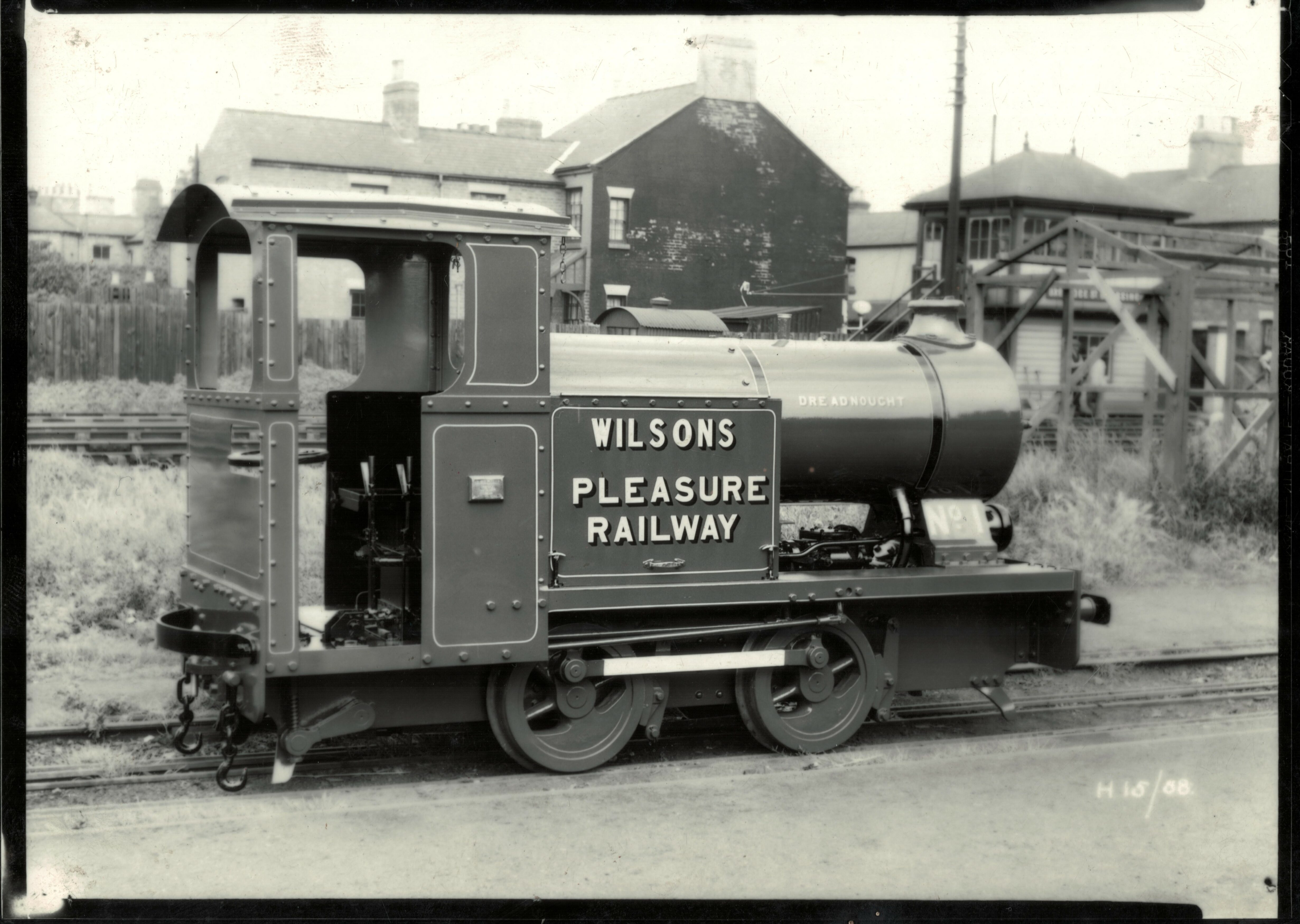
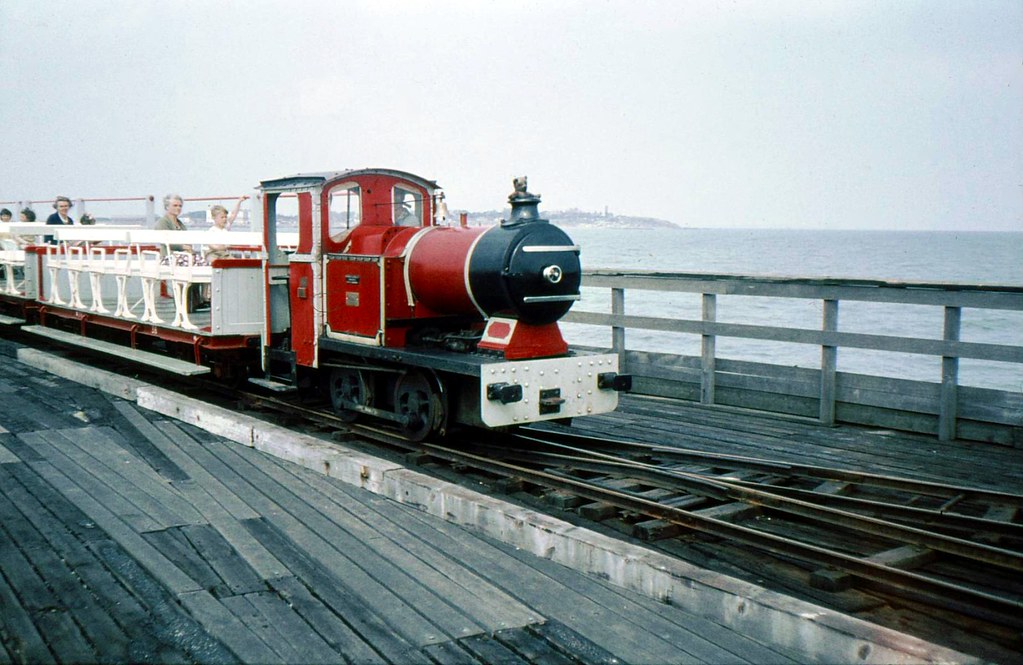
This steam outline locomotive was ordered by Mr. R.J. Lakin and delivered new to William Wilson’s Pleasure Railway, Allhallows-on-Sea, Kent in 1939. Originally fitted with a Ford petrol engine of 24 hp, it was named No. 1 Dreadnought. The loco is an 0-4-0 with a 2-speed gearbox driving the front axle via chains and with traditional coupling rods to the rear axle. Just after the war the loco moved to the pier at Walton-on-the-Naze, Essex, where in 1952 it was re-engined with a Lister FR2, and later still with an air-cooled Lister SR3.
Because the Lister SR3 is air-cooled, the “boiler”, which was once used to hold water like a radiator to cool the engine, was not required. Because of this, it was half-filled with concrete to maintain the locomotive’s adhesion on the rails. Despite it being fairly low-horsepower, it is quite a powerful locomotive.
The fantastic quality black-and-white photograph is Dreadnought, stood in the yard of E.E. Baguley in Burton-upon-Trent on the 14th July 1939. Right before she was shipped to William Wilson’s Pleasure Railway.
In 1978 the pier at Walton-on-the-Naze was damaged in a storm, and with the railway destroyed the loco was sold to the Camelot Theme Park, Charnock Richard, Lancashire, appearing there in 1983 after overhaul at Steamtown and now carrying the name The Lady Guinevere. 1987 saw the loco move to Hewitts Farm, Orpington, where one or two alterations were made, including a new cab, a cow-catcher and a spark arrester!
The loco was purchased and moved to Amerton on 13th September 1991, and since this time has been rebuilt to something approaching original condition, but still retaining the more modern Lister SR3 engine and the fuel tank in front of the cab (which adds a slight hump). The locomotive is fully air-braked, and as such is suitable for passenger train operation.
Early in 2000, Lawrence overhauled the original gearbox, it being in remarkable condition other than general wear. She re-entered traffic in April 2000.
A Driver’s Perspective & Some History of Steam-Outline Locomotives
Dreadnought is an interesting locomotive to drive, with a mechanical gearbox much like a car, as well as a clutch. Originally the clutch was operated by a foot pedal, however at some point in the past, the clutch was converted to a hand-operated lever in the cab. This provides a bit of a challenge for the driver; during a hill-start, the driver must have one hand on the brake, one hand on the throttle, and one hand on the clutch. As most of our drivers only have two hands, this is often achieved by what can only be described as “Engineman Origami”, as the driver must fold their limbs in such a way to be able to operate all three controls simultaneously. It is quite entertaining to watch, and very impressive when undertaken with finesse.
While many people deride steam-outline diesel locomotives as “pretenders”, we at Amerton Railway see them as an important part of Narrow Gauge heritage, being common on pleasure railways around the United Kingdom, including Trentham Gardens, Alton Towers, many Butlins sites, and those named above on this page. The Baguley locomotives of this basic type that are based at the railway (all three of them!), are built to an incredibly high engineering standard, not based on modifying an existing diesel locomotive such as a Motor Rail Simplex, but constructed based on a design derived from Baguley’s first world war Petrol locomotives, which were produced from 1914 onwards, their similarity to steam locomotives is not accidental, nor ornimental, the “boiler” being used as a high-capacity radiator to cool the hot-running petrol engines of the era. Ernest Baguley designed Isabel while he was working for Bagnalls of Stafford, so he and his company was experienced in designing machines that could last, and his WW1 petrol locomotives proved to be very effective, and coincidentally resembled steam locomotives! It is often joked that you could bolt a boiler and a set of cylinders to these Baguley diesels and they’d make a solid little steam locomotive. Pictured right is Baguley 774, built in 1919, cosmetically restored in 2003 at Amerton Railway and moved to Statfold Barn in 2008. Photo credit to Camboxer, CC BY-SA 4.0, via Wikimedia Commons.
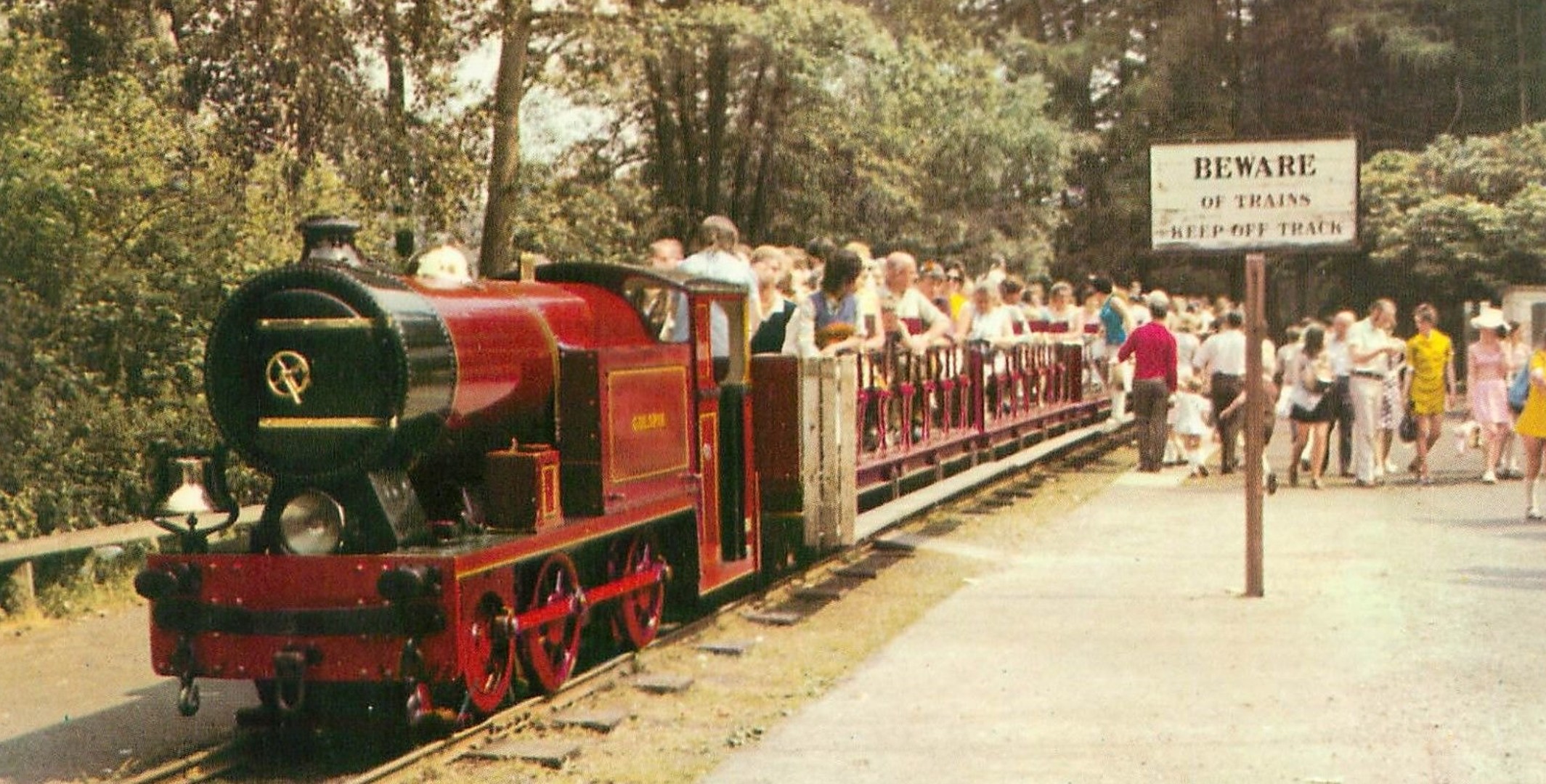
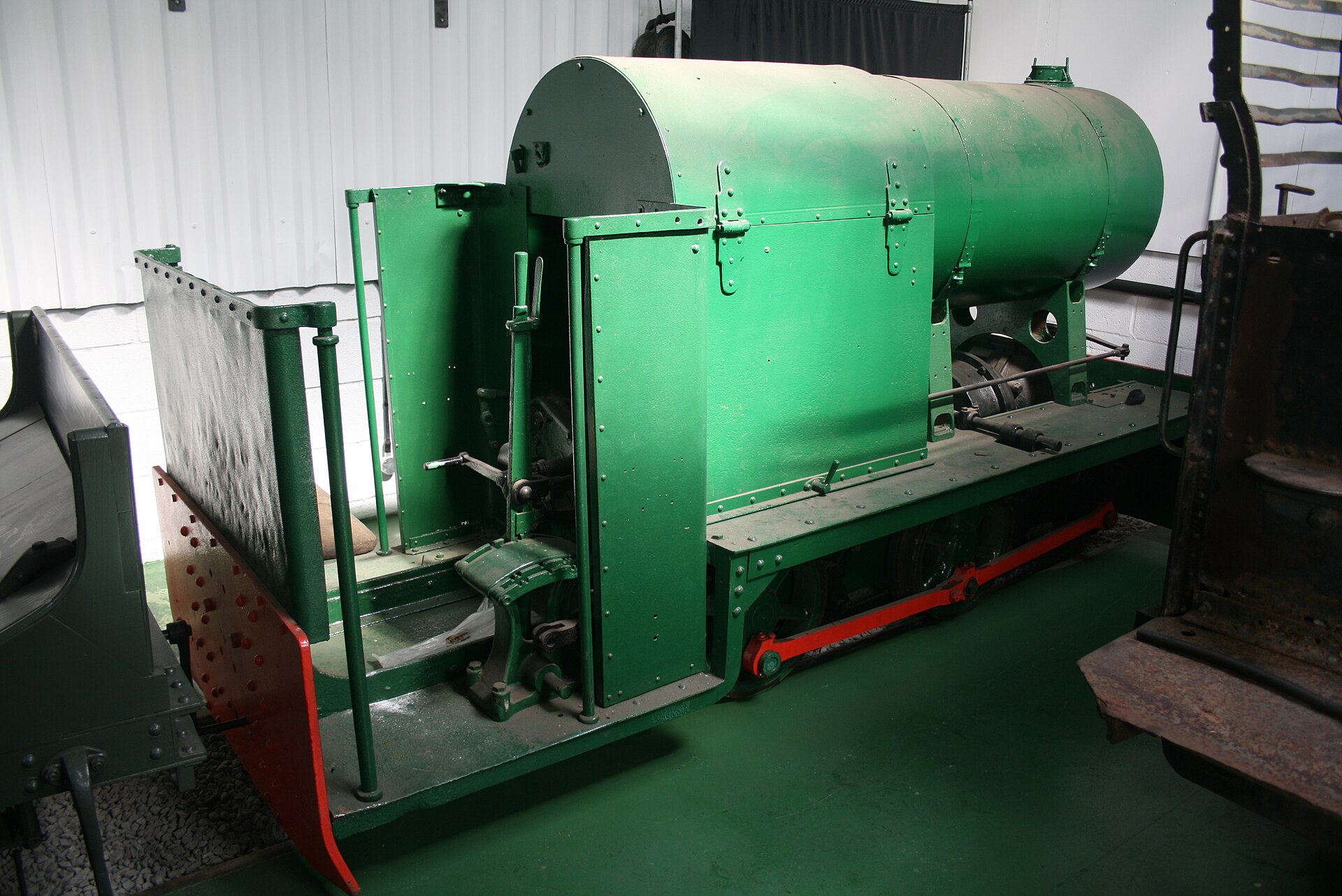
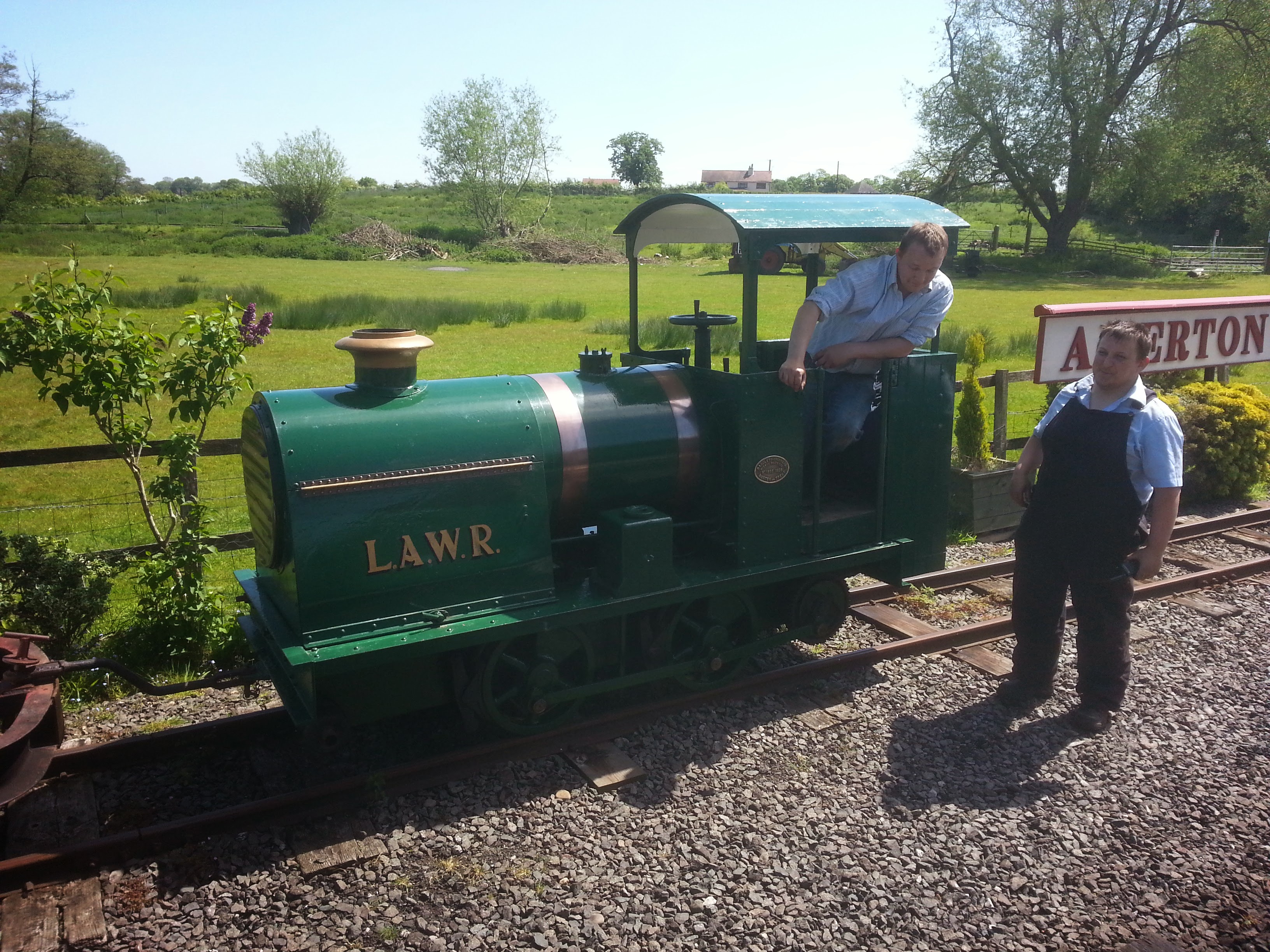
Baguley was asked in 1928 to build a petrol locomotive for the Lilleshall Abbey Woodland Railway, as they wanted something which was easier to operate and maintain, so they supplied a locomotive based on their WW1 locomotive design (see Baguley 774 above), which already resembled a steam locomotive, with some embelishments to make it look a little less industrial. The locomotive, which cost £260, proved popular, and further orders followed. Amazingly, that first Baguley steam-outline locomotive survived, Baguley 1695 of 1928, and it visited us at Amerton in 2014, where it is pictured about to leave for a lap around the railway.
Overhaul
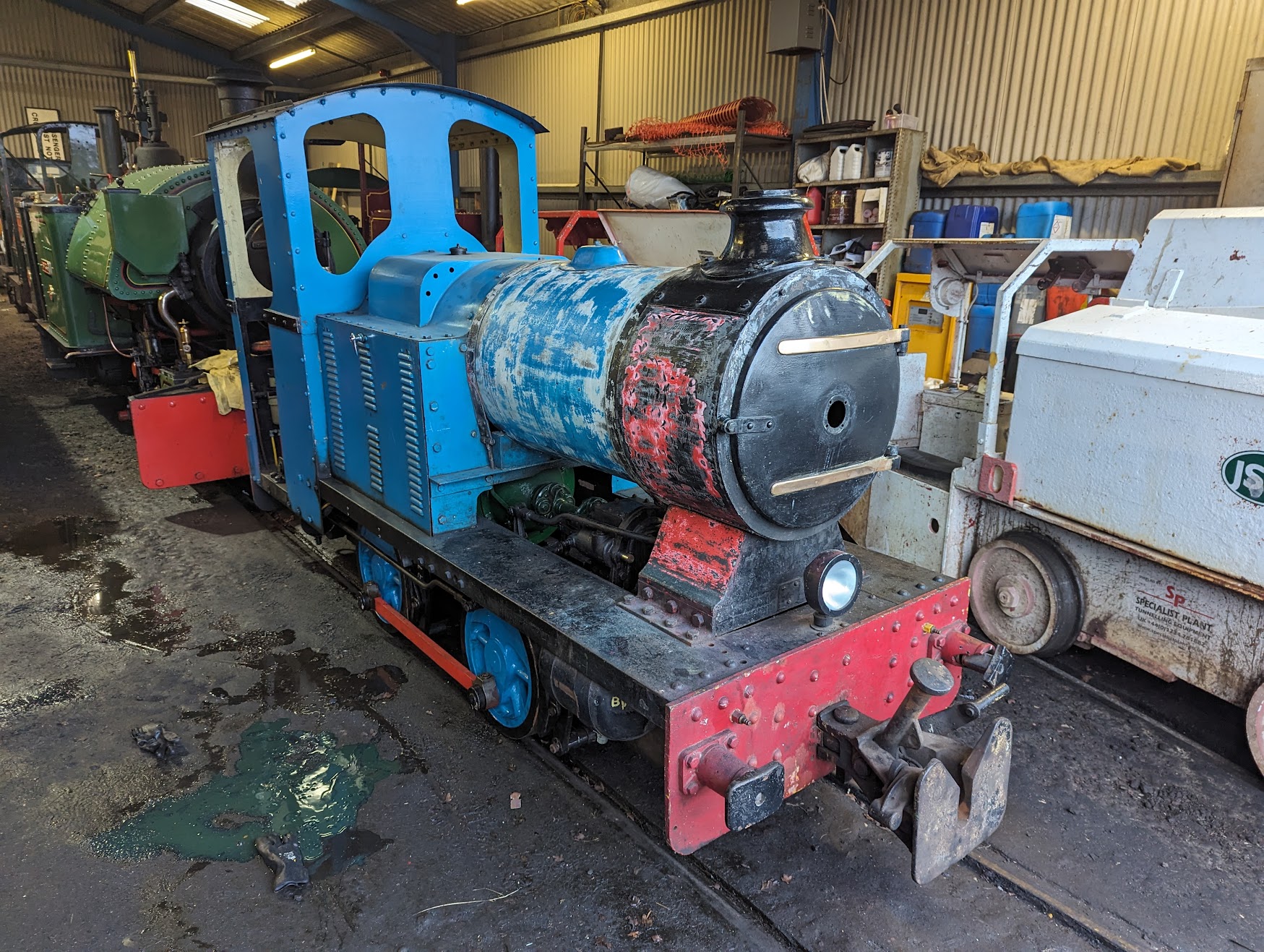
After two decades of service at Amerton since the last overaul, being the main diesel locomotive for passenger trains until Gordon was completed in the early 2000s, the locomotive had earned a rest! She was taken out of service to be overhauled, to be very much missed by the vistors and crews who adored her.
2026 Update, Dreadnought is coming back into service!
For the past few years, Dreadnought has been out of service for an extensive overhaul, having now had a full engine rebuild, new steel tyres for the wheels, various gearbox improvements, and an absolutely incredible repaint. We are holding back on sharing photographs until she is ready to be launched to the public again, so here is a photograph of her midway though being prepared for repainting in 2023.